

Have you ever wondered how people perceive your brand?
The perception people have of your organization makes up your reputation in the market. Every organization has an employer brand, whether they have intentionally built one or not. It is reflected in what current employees say about working there, what former employees share with their networks, and what potential candidates discover before they ever submit an application.
In today’s competitive talent market, that reputation can be the deciding factor in whether top talent chooses your organization over another. A strong employer brand helps organizations stand out, attract qualified talent, and build stronger relationships with their employees.
What Is Employer Branding?
Employer branding constitutes all strategic actions taken by an organization to define, build, and promote itself as a desirable place to work. It includes set values, workplace culture, and all attributes experienced and shared by employees that set the organization apart from its competitors in the talent market.
In simpler terms, your employer brand is the constructed narrative that your current and former employees create about your workplace.
A strong employer brand acts as a foundation for attracting qualified talent and seamlessly helps retain your current high performers by ensuring that their experience of the internal culture is consistently positive.
Why Is Employer Branding Important?
Employer branding plays an important role in shaping how employees, candidates, and the wider market perceive your organization.
Beyond recruitment, a strong employer brand influences employee engagement, retention, and advocacy. When employees have a positive experience within the workplace, they are more likely to speak positively about their organization and recommend it to others.
However, employer branding is not built through external communication alone. It is shaped by the everyday experiences employees have, making workplace culture, leadership, and employee experience key elements in building an authentic employer brand.
What Shapes An Employer Brand?
Building an employer brand is a strategic process that includes a convergence of different components that solidify a strong impression about an organization.
Workplace Culture
Culture is the experience you provide as an employer that directly influences employees’ morale, engagement, and productivity.
Workplace culture shows up in leadership behaviors, their ability to build trusted relationships with their employees, and the way employees collaborate with one another. It is also evident in how success is shared and celebrated.
A strong workplace culture creates an environment where employees feel valued, respected, and connected to the organization’s purpose.
Company Values
Company values need to be reflected in the day to day realities of the workplace. They constitute the beliefs and principles that shape who you are, what you do, and why you do it.
A predefined set of values can help employees rally around a company’s vision. By ascribing to a stated purpose, employees feel more connected to the organization and are more inclined to advocate for their workplace to a wider audience.
Employee Experience
Employee experience, or EX, refers to the sum of experiences employees have throughout their hiring, onboarding, and career progression cycle, shaping their perception of the organization.
This perception is consistently influenced by every interaction leadership has with employees. A positive employee experience is created in moments where trust is established and reinforced through different initiatives such as recognition programs, development opportunities, and meaningful communication.
A positive perception from your employees turns them into advocates, whilst a negative one can compromise years of branding efforts and affect how future employees view the corporate brand.
Leadership Behaviors
In a workplace culture context, it all starts with leadership.
Great Place To Work® has determined nine leadership behaviors that drive trust and positively influence the employee experience, creating favorable foundations for a great workplace culture.
Leaders play a significant role in shaping how employees experience their workplace. Through transparent communication, recognition, fairness, and meaningful connections, leadership behaviors directly influence trust and employee perception.
Employer Branding In Practice: Al Dabbagh Group
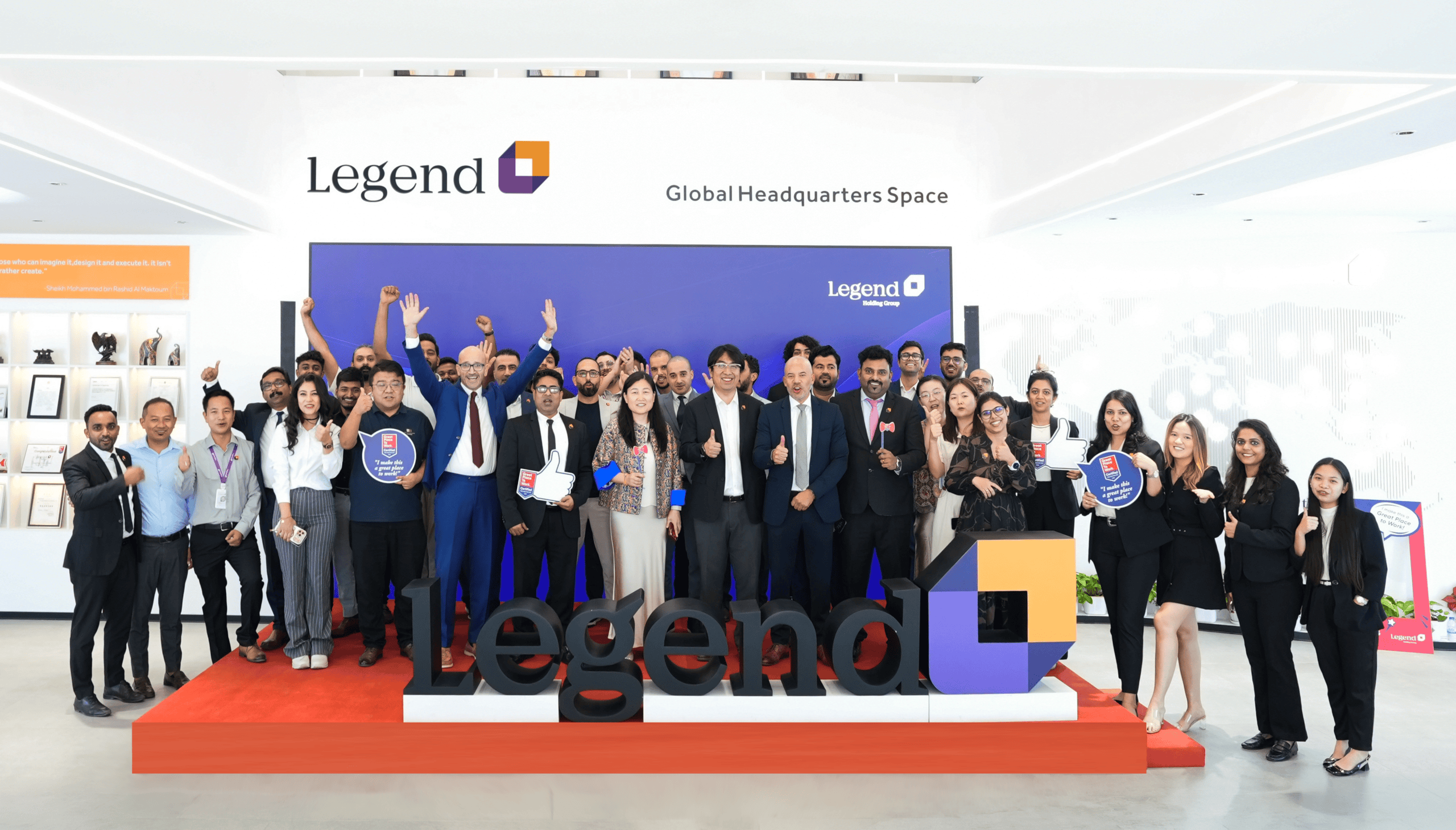
Al Dabbagh Group represents a strong case study of how building a strong employer brand can increase pride levels and positively reinforce employees’ perception of their workplace.
Through their Omnipreneurship philosophy, Al Dabbagh Group has created a culture that empowers employees to contribute, innovate, and take ownership. This approach demonstrates how a clear organizational philosophy, supported by employee experience, can strengthen employer branding from within.
When employees genuinely connect with the culture they experience, they become the strongest advocates of the organization.
How To Build An Employer Branding Strategy
Building an effective employer brand requires an extensive roadmap where cross functional collaboration meets with a clear vision and persistence.
Identifying your crucial landmarks is your first step to take. Here is where you can start:
Define Your Employee Value Proposition
Your EVP is what defines your employer brand. It should clearly and authentically articulate what makes working for you unique and what sets you apart in today’s competitive talent market.
A strong EVP reflects your organization’s culture, values, employee experience, and the reasons why employees choose to join and stay.
Assess Your Current Perception
A good place to start is to gather feedback on how you are currently being perceived.
Doing this helps you bridge the gap between how you want to be perceived and how you actually are. Understanding employees’ experiences provides valuable insights into the strengths and areas of improvement within your workplace culture.
Align Internal And External Messaging
Once you have set a clear set of values, make sure communication is consistent both internally and externally.
Your employees should feel that their internal experience matches any external communications, such as job postings, career pages, and recruitment campaigns. Consistency between your messaging and employee experience builds credibility and trust.
Invest In Employee Advocacy
Your employees are the best fit to talk about what makes your organization great.
Encourage them to share testimonials on LinkedIn or during industry events. This type of advocacy helps solidify external perception with internal experiences, helping you build a trusted employer brand.
Enhance Employee Experience
It all begins and ends with your people’s experience of your workplace.
Ensure that every interaction you have with employees is an opportunity to build trust and solidify the great workplace culture you have created. From hiring and onboarding to career development, recognition, and everyday interactions, each moment contributes to how employees perceive your organization.
How Great Place To Work® Certification Helps Strengthen Employer Branding
With more than 30 years of research on workplace culture, Great Place To Work® has determined the winning model that helps transform your culture into one that employees consistently perceive as great.
Through the Trust Index™ Survey, we help you assess internal sentiments and draw insights that identify any gaps between internal and external perceptions. This allows organizations to better understand their employee experience and take meaningful steps toward building a stronger workplace culture.
Once you meet the benchmark, The Great Place To Work® Certification™ acts as your people’s verdict on the culture you have built. It provides external recognition based on the experiences and perceptions of your employees, strengthening your employer brand and helping you stand out in the talent market.
Employer branding starts from within. The question is, do your employees think you are a Great Place To Work®?